
Beginner's Guide to Choosing Almond Varieties for Your Climate
Match bloom timing, chill hours, pollination partners and harvest windows to your site before you order a single tree — a practical shortlisting guide for new almond growers.
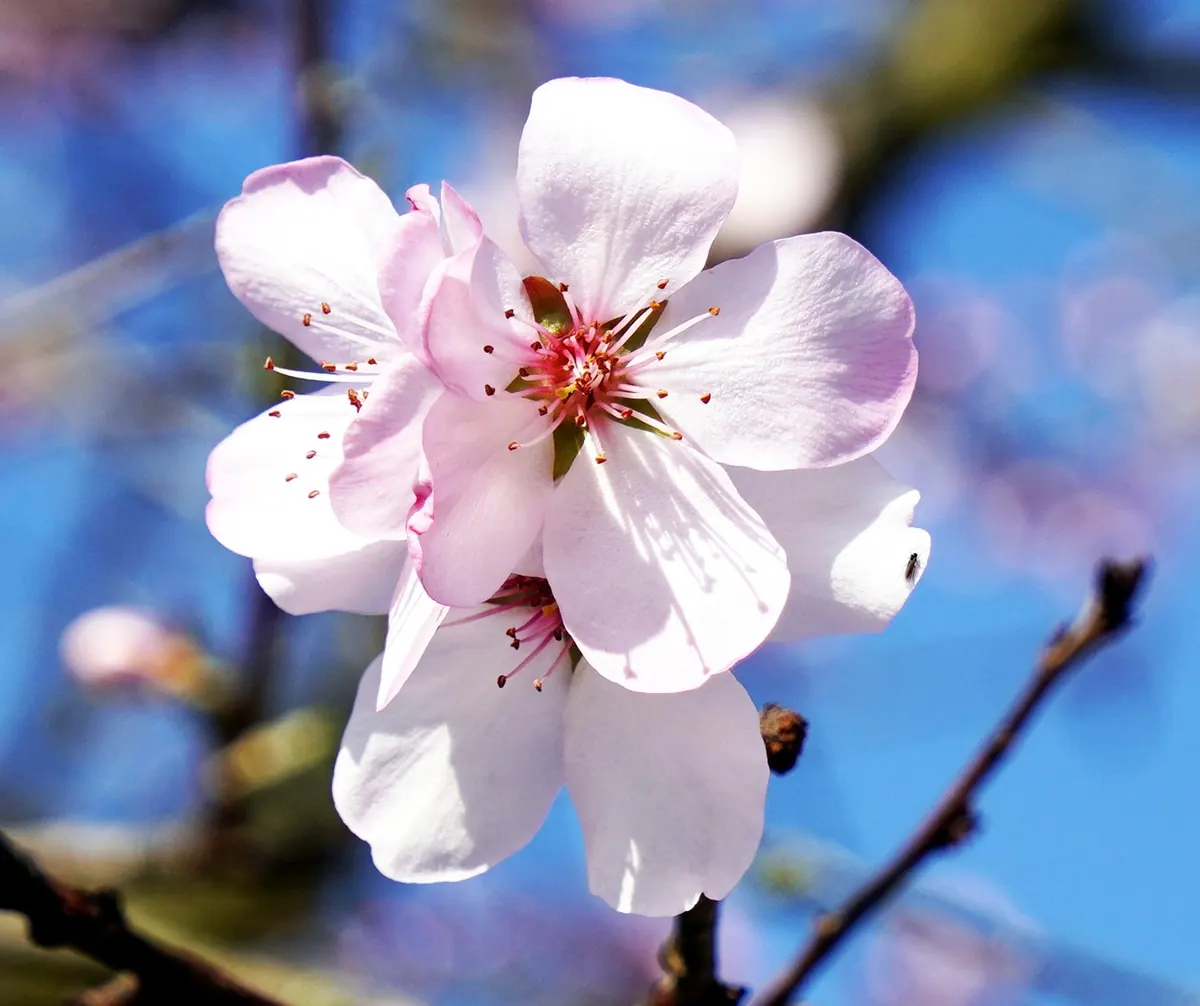
Choosing an almond variety is less about picking a favorite nut and more about matching a tree's internal calendar to your weather. An almond that blooms two weeks too early in a frost pocket will give you flowers in March and regrets in August. One that wants more winter cold than your valley delivers will leaf out raggedly and set a thin crop. Get the timing right, though, and an almond tree is remarkably generous — and surprisingly forgiving of a beginner's mistakes.
Bloom Timing Comes First
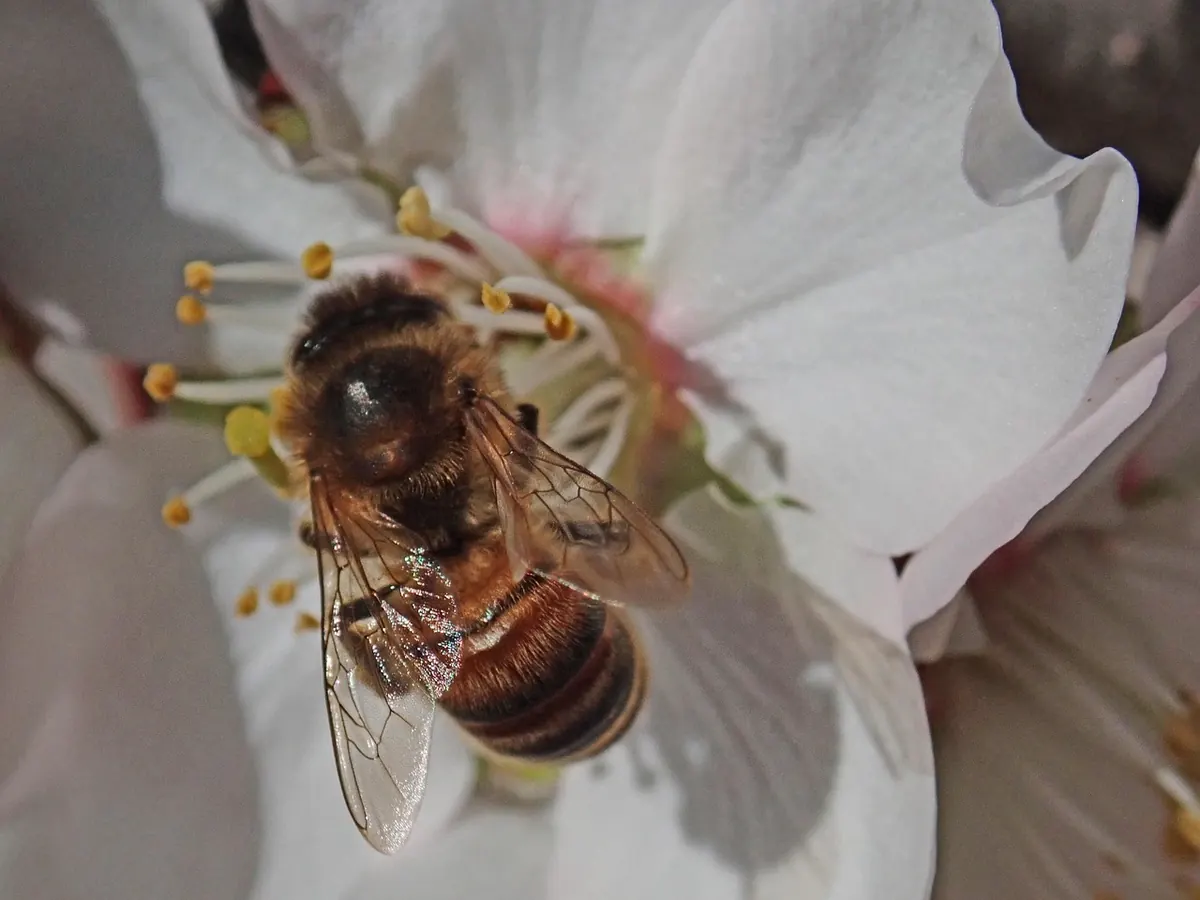
Almonds flower earlier than almost any other nut or fruit tree you might grow. In the Northern Hemisphere that usually means February into March, with early cultivars opening while nights are still well below freezing in many regions. The blossoms are fragile. A hard frost at full bloom can take the year's crop in a single night, and cold, wet, windy weather during bloom keeps honeybees in the hive even when the flowers themselves survive.
This is why bloom timing should be your first filter, not your last. Walk your ground in late winter and look for where cold air settles: the low corner behind a hedge, the hollow at the bottom of a slope, the north-facing strip that stays white with frost an hour after everything else has thawed. Those are the spots where an early bloomer is a gamble.
Later-blooming cultivars buy you safety from frost, but they push harvest toward autumn, when rain and shorter days make drying harder. Early bloomers such as Nonpareil and Independence get nuts off the tree sooner and often fetch a premium for kernel appearance, at the cost of frost exposure. There is no universally correct answer — only the trade you are willing to make on your particular site.
Chill Hours: The Number Behind Dormancy
Chill hours are the practical shorthand for how much winter cold a tree needs before it breaks dormancy properly. The usual counting method adds up the hours spent between roughly 32°F and 45°F from late autumn until buds begin to swell. Warm hours above that range can subtract from the total in some of the more sophisticated models, which is why two neighbors with different thermometers sometimes disagree about the same winter.
Most commercial almond cultivars are comfortable somewhere in the 400 to 700 hour range, and low-chill releases bred for mild-winter regions need considerably less. Too little chill shows up as a bloom that drags on for weeks — flowers opening on one branch while another sits stubbornly dormant — and a set that never quite fills the tree. It looks like a pollination failure. It is really a calendar mismatch.
Working out your own numbers
Don't guess from a plant hardiness zone. A cheap max-min thermometer and a notebook will tell you more than any map, and your local extension service or agricultural advisor often has chill data for the nearest weather station. Then do the social version of the same research: ask what already crops well within twenty miles of you. A neighbor with a bearing almond tree is better evidence than any catalog description.
Pollination: Almost Every Almond Wants a Partner
Most almond cultivars are self-incompatible. A tree's own pollen will not set a crop, and neither will pollen from another tree of the same variety. You need a second cultivar whose bloom overlaps and whose pollen your tree will actually accept. Compatibility groups matter here: some pairings fail even with perfect bloom overlap, so check a compatibility chart before you buy. Nursery catalogs almost always print one.
Commercial orchards plant pollinizers in alternate rows and bring in hives at bloom. At home, the simple version is two trees of different varieties within about fifty feet of each other, or one tree with a pollinizer branch grafted into the canopy. If space allows only one tree, choose a self-fertile cultivar — Independence, All-in-One, Guara and Lauranne are among those sold widely. They still crop better with a partner and with bees working the flowers, but they will set nuts alone.
- Overlap: bloom periods should intersect by at least a week, not just touch at the edges.
- Compatibility: confirm the pairing on a chart rather than assuming two varieties will cooperate.
- Bees: avoid insecticide sprays while trees are in flower, and keep flowering plants nearby for early forage.
- Backup: a grafted pollinizer limb is cheaper than a second tree and works well in small gardens.
Harvest Windows and What They Ask of You
Harvest is set by hull split, when the green outer hull dries and opens along its seam to reveal the shell inside. From that point the nuts need to dry — on clean ground in reliably dry climates, on tarps or screens at home — until the kernels snap rather than bend.
Cultivar choice shifts this window by weeks. Nonpareil is the earliest of the mainstream types; Independence ripens early and suits small plantings; Mission, Padre and Butte-style later varieties come off well after that. Spreading an early and a late variety across your ground staggers labor and drying space, which matters enormously when you are processing by hand. It also spreads weather risk, since early nuts may dry in dependable summer heat while late ones can catch the first autumn rain.
At garden scale, harvest is a tarp, a pole or a small shaker, and a stretch of dry forecast. Spread the crop in a single layer rather than heaping it, and bring it in at night if dew or rain is likely. Damp kernels mold quickly, and molded almonds are not worth the trouble of cracking.
Fit the Variety to the Site, Not the Catalog
Almonds want deep, well-drained soil and dislike waterlogging and salinity. If almonds or other stone fruit grew on the ground before, replant problems and nematodes become a rootstock question as much as a variety question; Guardian, Nemaguard and Viking are the names you will see most often, and each suits different soil conditions. Ask the nursery which rootstock is under the tree you are buying instead of accepting whatever happens to be grafted that season.
Then think honestly about what you will do with the crop. Nonpareil is prized for kernel appearance and is easy to sell or give away. Marcona is the Spanish-style choice for blanching and roasting. Mission is later, hardier and darker-skinned. Bitter almonds are grown for flavoring and oil; they contain compounds that make them unsuitable for eating raw, so leave them out of a family planting unless you know exactly why you want one.
A Shortlisting Method That Actually Works
- Write down your average last spring frost and first autumn frost, and count the growing days between them.
- Estimate chill hours from a local station, a thermometer log, or a nearby grower's experience.
- Decide whether you are planting two trees for cross-pollination or choosing a self-fertile cultivar.
- Shortlist three cultivars that clear all three filters, then compare them on harvest timing and kernel use.
- Confirm rootstock, tree age and availability with a nursery that serves your region.
- Taste before you commit. Almonds vary more than most people expect, and a variety you love in a market is the variety worth planting.
Before You Order Trees
Bare-root almonds sell out early, so place an order in autumn for dormant-season planting, and get trees into the ground before buds begin to swell. Keep notes from the first spring: the date the first flower opens, the date of full bloom, whether bees were flying, whether frost hit. Two years of those notes will teach you more about your site than any chart. Expect a modest crop in the third or fourth year and a real one after that. If you are planning more than a few dozen trees, spend an hour with a local farm advisor before you commit — it is the cheapest part of the whole project.
Photo: matthiasboeckel / Pixabay